
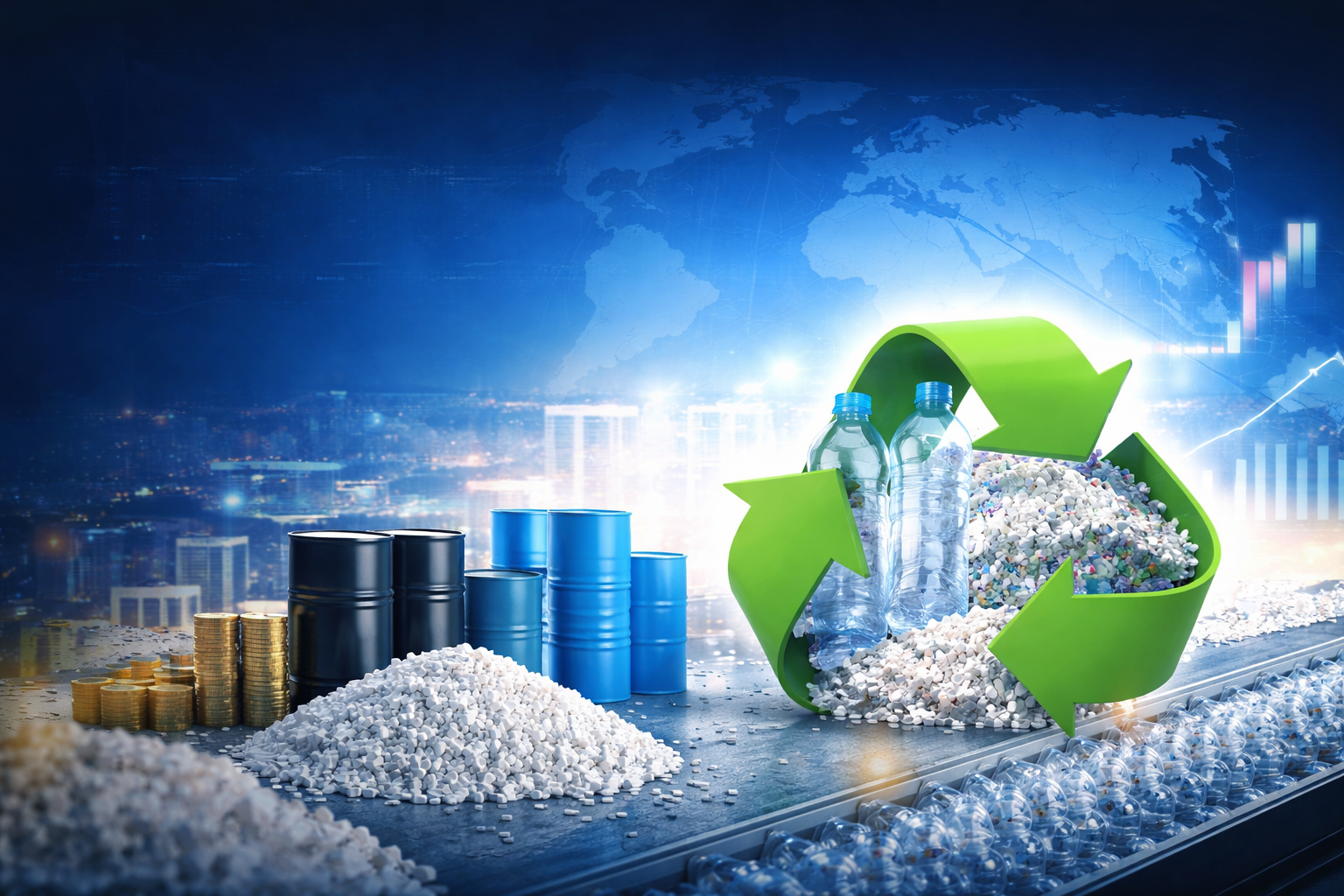
Bogor, May 2026 – After facing pressure due to global supply chain disruptions and fluctuations in raw material prices, the plastic resin market is now beginning to show signs of improvement. While resin prices in some sectors have become more stable compared to previous periods, the plastics industry continues to face significant challenges in maintaining production efficiency, product quality, and sustainability goals concurrently.
In the face of a more dynamic market environment, companies are now focusing not only on raw material prices but also on long-term strategies to create a more efficient, adaptive, and sustainable production system.
Resin Prices Are Starting to Stabilize, but Material Optimization and Sustainability Remain the Focus of the Industry
Although global resin price pressures are beginning to ease, industry players still face some important challenges:
- Periodic fluctuations in raw material prices
- Pressure to improve production cost efficiency
- The need to maintain consistent product quality
- Increasingly ambitious sustainability and circular economy goals
- Market demand for more environmentally friendly products
This situation has led many companies to begin optimizing their use of recycled materials to boost efficiency and meet their sustainability goals.
The Use of Recycled Plastic Is Becoming Increasingly Relevant for the Industry
Today, the use of recycled plastic is not just an alternative solution when resin prices rise but has become an integral part of the industry’s strategy to improve efficiency while supporting sustainability.
- Reducing Dependence on Virgin Resin
Recycled materials help the industry become more flexible in managing its material supply and reduce its complete reliance on virgin resin.
2. Production Cost Efficiency
Blending virgin and recycled materials allows the Company to:
- Optimizing production costs
- Maintaining a balance between performance and efficiency
- Adjusting formulations to meet application requirements
3. Supporting Sustainability and the Circular Economy
The use of recycled materials helps the Company to:
- Reducing plastic waste
- Supporting ESG (Environmental, Social, and Governance) goals
- Adding value to products by supporting the company’s sustainability goals and meeting market demand for more sustainable materials.
The Challenges of Using Recycled Plastic
Although it offers many benefits, the use of recycled materials still requires the right approach. As a solution, Kasakata Masterbatch offers technology and formulations that help the industry optimize the use of recycled plastics to ensure they remain suitable for specific processes and applications.
Some of the common challenges faced by the industry include:
- Variations in material quality
- Colour and appearance stability of the product
- Decrease in the material’s mechanical properties
- Risk of contamination
- Consistency of the production process
Without the right formulation and support, recycled plastic can affect the performance of the final product.
The Role of Additives: The Key to Optimizing Recycled Plastics
The use of additives is a key factor in ensuring that recycled materials continue to meet industry standards
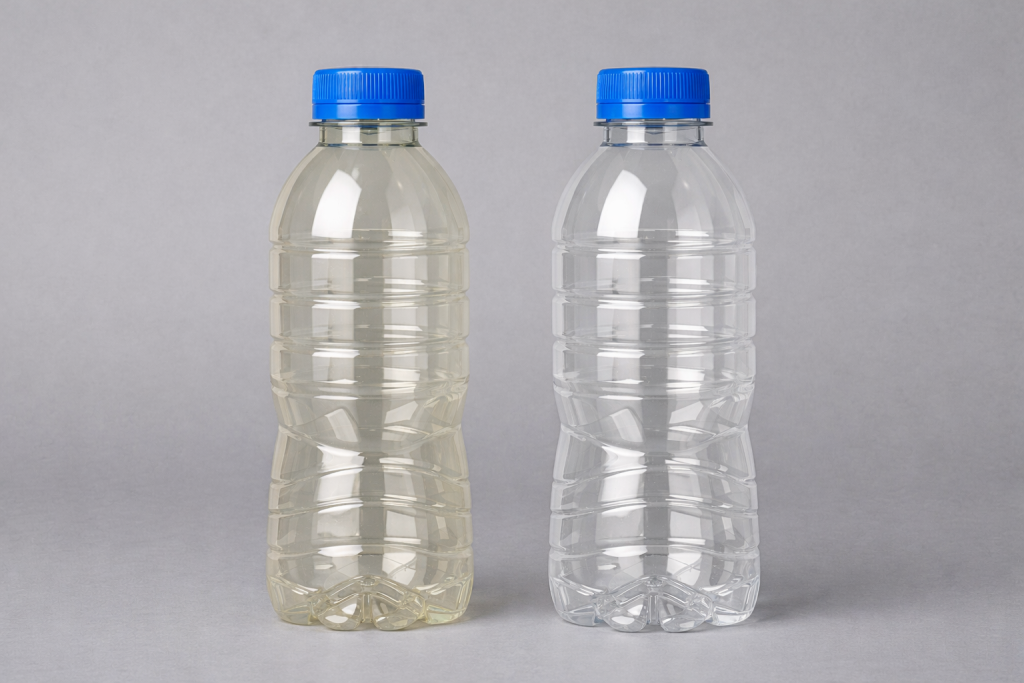
1. Optical Modifier: Preventing Yellowing & Improving Appearance
Optical Modifier produces a bluish-violet effect that helps:
- Reduces yellowing in recycled materials
- Enhances brightness and visual appeal
- Gives the product a cleaner, more premium look
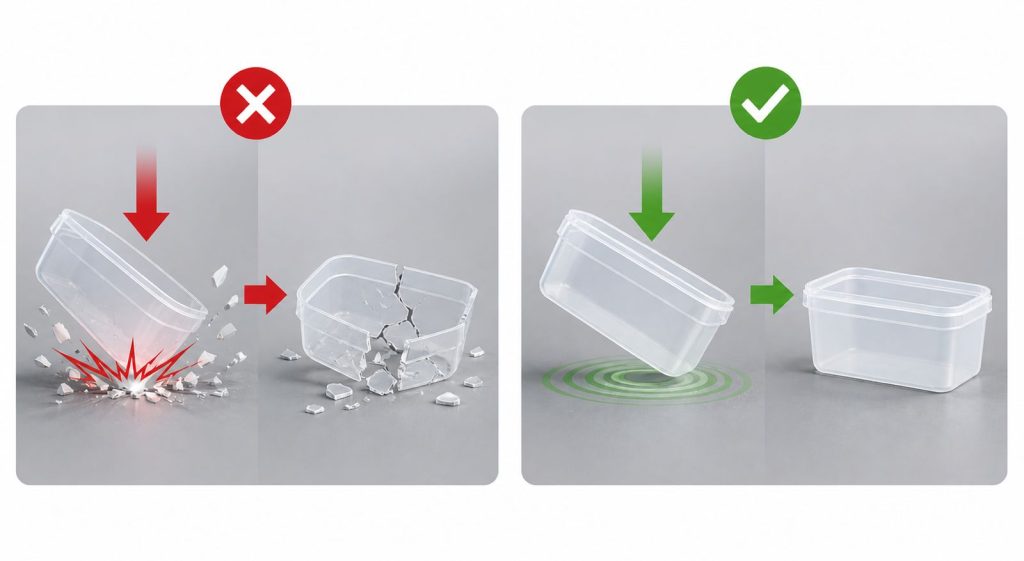
2. Impact Modifier: Improving Impact Resistance
Due to its elastomer/rubber properties, the impact modifier serves to:
- Absorbs energy during impact
- Improves material toughness
Restores diminished mechanical performance in recycled plastics
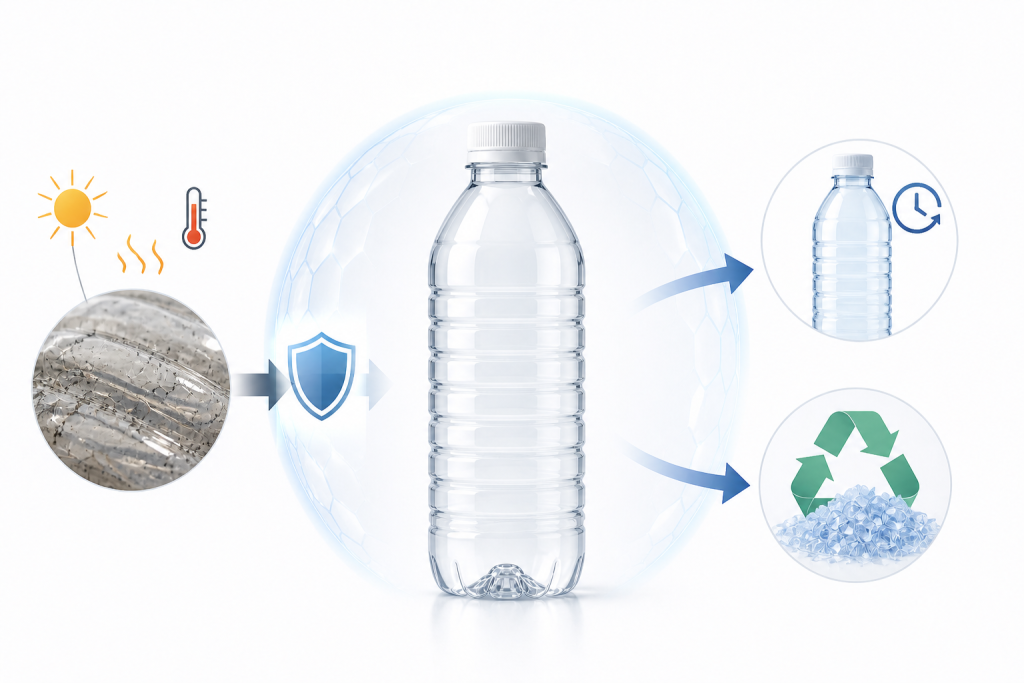
3. Antioxidant: Maintaining Stability and Service Life
Antioxidant play an important role in:
- Slows down material degradation caused by heat and oxidation
- Extends the product’s service life
- Preserves the plastic’s properties during the recycling process
4. Compatibilizer: Solutions for Material Blending
A compatibilizer is used when mixing different types of materials, with the following functions:
- Improving compatibility between different polymers
- Creating a more homogeneous material structure
- Enhancing the strength and stability of the final product
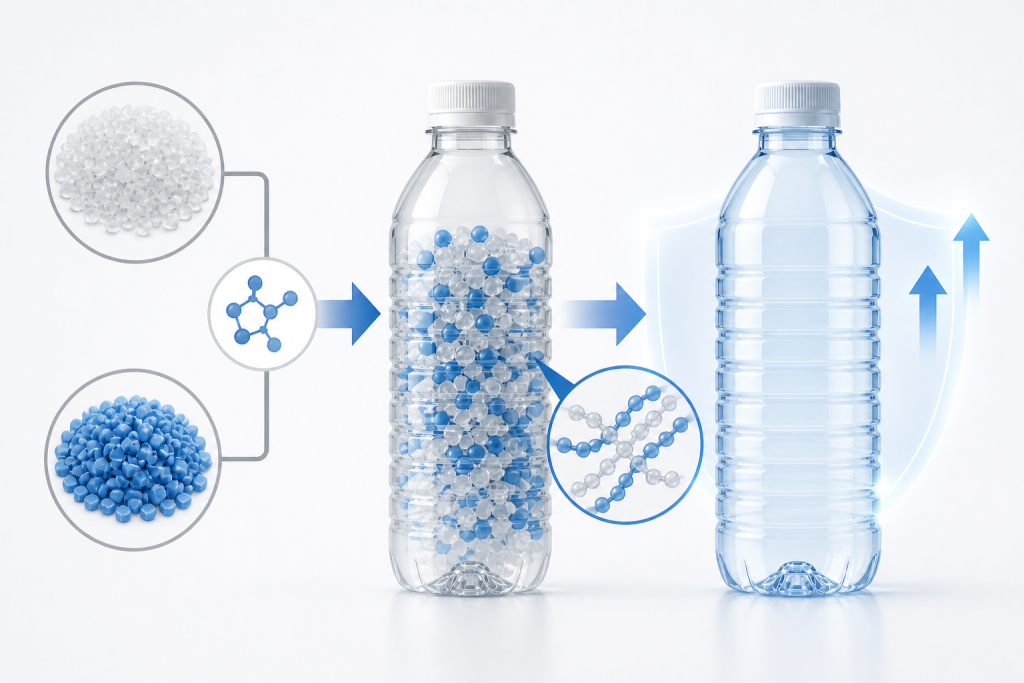
Efficiency Strategies for the Plastics Industry Amid Resin Price Fluctuations and Sustainability Requirements
Even as the resin market begins to stabilize, companies still need to develop more efficient and sustainable production strategies.
Some strategies that are increasingly being adopted in the industry:
- Incorporation of recycled materials into production
- Formulation optimization using additives
- Development of products focused on material efficiency
- Collaboration with material solution partners and technical support providers
This approach helps maintain a balance between cost efficiency, product quality, and sustainability.
Kasakata Masterbatch Supports Material Optimization and Sustainability in the Industry
Changes in the global resin market have provided an opportunity for the industry to develop more adaptive and sustainable production systems. The optimized use of recycled plastics, combined with the right additive formulations, can help companies improve efficiency without compromising product performance.
As a material solutions partner, Kasakata Masterbatch supports the industry by developing additives and formulations tailored to specific application needs and production processes.
Need a Material Optimization Solution for Your Production?
The Kasakata Masterbatch team is here to help you:
- Optimization of recycled material usage
- Development of additive formulations tailored to specific applications
- Trial and technical support for industrial production needs

👉 Please contact us for further consultation.
Kasakata Masterbatch – Innovative Materials. Optimized Results. Sustainable Impact.